Necessary Tips for Successful Moss Removal to Enhance Your Outdoor Room
Moss can be a persistent problem in outdoor areas, often growing in wet and shaded areas. Comprehending the underlying reasons of moss growth is crucial for reliable removal and avoidance. Determining the right techniques and tools is essential for tackling this issue. Furthermore, preserving a healthy outdoor atmosphere can greatly minimize the possibilities of moss returning. Discovering reliable approaches can change overlooked locations into lively landscapes. What actions can one take to assure long lasting outcomes?
Recognizing the Sources Of Moss Development
Although moss can add an attractive high quality to landscapes, its development often indicates underlying concerns in the environment. Commonly, moss prospers in damp, shaded locations where sunlight is restricted, developing a suitable environment for its proliferation. Poor water drainage and compressed dirt add considerably to its spread, as these problems keep dampness and prevent appropriate water overflow. Furthermore, acidic dirt can favor moss over preferred plants, resulting in discrepancies in the environment. High humidity and regular rainfall further worsen the issue, enabling moss to thrive where various other greenery battles. Lack of competitors from grass grasses can likewise promote moss growth, specifically in neglected areas. Overall, understanding the reasons for moss development is important for effective administration and elimination, ensuring that outdoor areas can return to their designated visual and ecological function. Resolving these underlying concerns is crucial to protect against future moss invasions.
Determining Areas Prone to Moss Build-up
Identifying locations vulnerable to moss build-up is key to reliable administration and prevention. Moss thrives in settings that perspire, shaded, and have poor water drainage. Areas under trees or thick hedges commonly experience low sunshine, producing perfect problems for moss development. Additionally, areas with compacted dirt, such as pathways or heavily trafficked grass, may retain dampness, further promoting moss proliferation.
Inadequately draining surface areas like concrete or asphalt can also become moss hotspots, specifically in shaded areas. Home owners ought to routinely check their outdoor areas, searching for signs of moss on roofings, outdoor patios, and garden beds. Identifying these locations enables for proactive procedures to be taken, such as improving sunshine exposure, boosting water drainage, or adjusting landscape design. By acknowledging these vulnerable zones, people can much better get ready for and avoid future moss concerns, ultimately resulting in a much healthier and much more aesthetically pleasing exterior area.

Effective Moss Removal Techniques
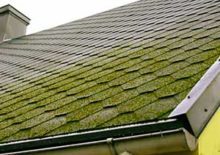
Removing moss properly needs a mix of strategies customized to the specific surfaces and conditions where moss has held. For difficult surface areas such as patios and driveways, a pressure washer can be extremely efficient, blowing up away moss without harming the underlying product. When managing softer surface areas like roofings or wooden decks, a gentler method is essential; making use of a soft-bristle brush and a blend of vinegar and water can assist remove moss without causing damage.
Preventing Future Moss Growth
To prevent future moss growth, it is necessary to enhance sunshine direct exposure and enhance drainage systems. Raising sunlight can hinder moss from prospering in shaded areas, while reliable drain decreases wetness buildup. Implementing these techniques can produce a setting much less for moss proliferation.
Improve Sunlight Exposure
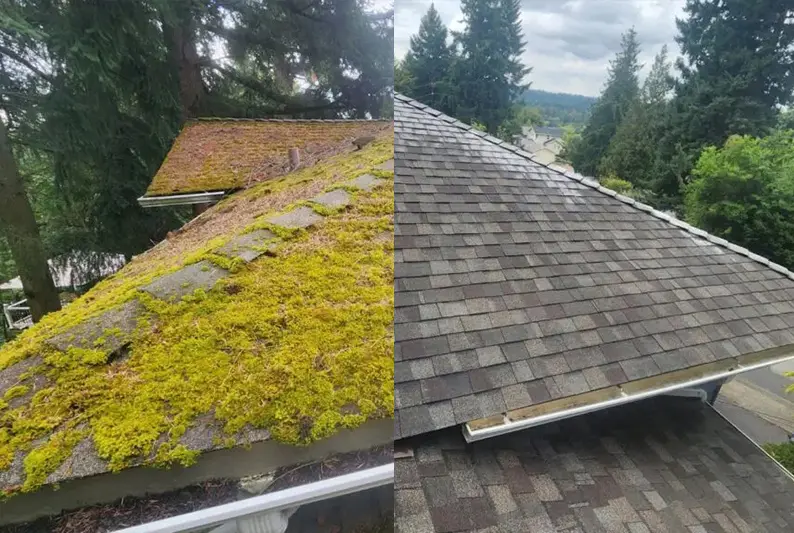
Exactly how can raising sunshine direct exposure properly fight future moss development? By permitting a lot more sunshine to get to shaded locations, home owners can substantially prevent the suitable problems that moss grows in. Moss commonly embellishments in dark, moist atmospheres; for that reason, boosting light schedule can interrupt its life process. Strategic tree trimming or removal might be essential to boost sunshine in impacted areas. Additionally, making use of reflective surface areas, such as light-colored rocks or patio area products, can even more enhance light infiltration. Regularly keeping an eye on and keeping yard health and wellness likewise ensures that sunlight can get to the ground efficiently. Executing these procedures not only reduces the likelihood of moss regrowth however also advertises a much i loved this healthier, much more lively outdoor room.
Improve Drain Systems
Reliable drain systems play a necessary function in avoiding future moss development in property landscapes. It produces a wet environment favorable to moss proliferation when water builds up in certain locations. To boost water drainage, home owners ought to examine their landscape for low-lying areas and think about installing French swales or drains pipes to reroute excess water. Normal maintenance, such as clearing downspouts and seamless gutters, will certainly also promote effective water flow. Additionally, ensuring that soil is well-aerated can improve absorption and decrease water merging. Planting drought-resistant greenery can even more alleviate dampness retention, developing a negative setting for moss. By addressing water drainage concerns proactively, house owners can substantially lower the chance of moss holding and keep a much healthier, much more dynamic outside area.
Selecting the Right Products for Moss Control
When selecting products for moss control, homeowners have to evaluate the advantages of all-natural versus chemical solutions. Each choice uses unique advantages and potential drawbacks, influencing effectiveness and environmental impact. Additionally, recognizing numerous application techniques can ensure perfect outcomes in moss elimination efforts.
Natural vs. Chemical Solutions
While both natural and chemical services use viable choices for moss control, the option usually relies on specific choices, ecological considerations, and the intensity of the moss problem. All-natural solutions, such as vinegar, cooking soda, or salt, are usually favored for their eco-friendliness and reduced toxicity. They can properly prevent moss development without harming bordering plants or soil health. Alternatively, link chemical options tend to be a lot more powerful and can offer quicker outcomes, making them ideal for serious problems. Nevertheless, they might pose risks to non-target microorganisms and the environment if mistreated. Inevitably, the decision in between natural and chemical products ought to mirror a balance of performance, safety and security, and the overall influence on the outside area.
Application Approaches Described
Choosing the right products for moss control entails comprehending the different application techniques offered. Property owners can choose in between granular, fluid, and foam products based on their choices and the certain location influenced by moss. Granular solutions are typically spread out over the moss-infested location, enabling progressive absorption and performance. Liquid therapies, typically applied with a sprayer, deal prompt protection and penetration, making them ideal for larger locations. Foam items offer targeted application, which can be helpful for intricate surfaces like roofings or wall surfaces. In addition, elements such as climate condition and surface type ought to be considered when selecting a technique. Eventually, recognizing these techniques makes it possible for effective moss control, guaranteeing a healthier and more enticing outside room.
Keeping a Healthy Outdoor Space After Elimination
After moss elimination, it is necessary to execute reliable upkeep strategies to assure the outdoor area remains healthy and lively. Routine yard treatment is important; cutting at the suitable height promotes yard health and prevents moss regrowth. In addition, guaranteeing ample sunlight reaches the lawn and yard areas is essential, as moss prospers in shaded environments.
Soil wellness need to additionally be prioritized. Checking dirt pH and nutrient levels can lead suitable changes, cultivating a durable environment. Proper water drainage is another key variable; attending to any pooling water can stop moss from improving itself.
Often Asked Inquiries
Can Moss Be Beneficial for My Garden or Landscape?
Moss can be helpful for yards and landscapes by giving ground cover, retaining dampness, and improving soil high quality. It additionally cultivates biodiversity, providing habitat for tiny microorganisms and enhancing the general visual charm of outside rooms.
How much time Does It Take for Moss to Regrow After Elimination?
Moss can grow back within a couple of weeks to several months after elimination, relying on ecological conditions like shade, dirt, and moisture quality. Routine upkeep is necessary to prevent fast reestablishment in affected areas.
Is Moss Elimination Unsafe to Bordering Plants or Wildlife?
Moss elimination can potentially harm surrounding plants and wild animals, particularly if chemical therapies are used. Manual removal, however, normally positions marginal danger, though treatment should be taken to avoid troubling nearby vegetation and habitats during the process.
What Season Is Finest for Moss Removal?
The finest time for moss removal is usually in early spring or check my site late autumn. Throughout these periods, temperatures are moderate, and moisture degrees can aid assist in the elimination procedure while minimizing tension on surrounding plants.
Exactly How Can I Tell if Moss Is Just inactive or dead?
To figure out if moss is dead or inactive, one need to inspect its shade and texture. Healthy and balanced moss appears eco-friendly and dynamic, while dead moss has a tendency to be brown and weak, doing not have wetness and elasticity.
Commonly, moss flourishes in damp, shaded areas where sunshine is restricted, creating an ideal environment for its proliferation. Eliminating moss successfully calls for a mix of methods tailored to the particular surfaces and problems where moss has actually taken hold. Enhancing sunshine can discourage moss from growing in shaded areas, while reliable drain minimizes wetness build-up. By allowing a lot more sunlight to reach shaded areas, house owners can greatly hinder the optimal conditions that moss grows in. While both natural and chemical services use viable choices for moss control, the selection usually depends on specific preferences, environmental considerations, and the extent of the moss issue.